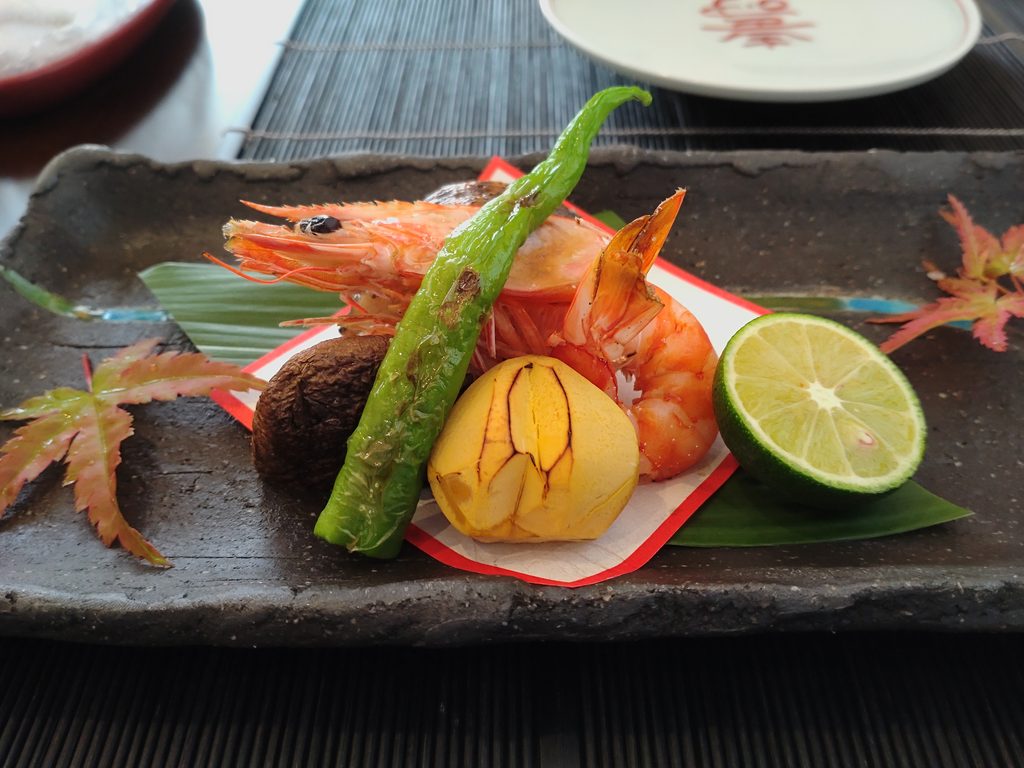
Welcome to Culture & Customs! Here, I share small stories about Japanese food and daily life that I learned as a travel planner.
Questions Travelers Often Asked Us in Japan: Stories from a Former Travel Planner
Before I started this blog, I worked as a planner at a travel company for visitors to Japan. I planned cultural experiences and booked restaurants that matched each guest’s taste. I still have many small memories from those days. They are the reason I started this blog, and I would like to share some of them with you.
I Tried to Be Kind, but They Said No
Once, a guest came to Japan for the first time. I wanted to make things easy for them, so I offered a knife and fork at a Japanese restaurant. I was sure they would be happy. But they politely said, “I came all the way to Japan, so I want to use chopsticks.”
I meant well, but it wasn’t what they wanted at all. That day, I learned something important. What Japanese people call omotenashi (Japanese hospitality) and the “real experience” that travelers want are not always the same.
Could You Change the Japanese Style a Little?
One day, a colleague took guests from the West to a formal kaiseki restaurant. Kaiseki is a traditional multi-course Japanese meal. One guest asked, “Could I have some bread and butter?”
Bread and butter with kaiseki! I had never imagined it. But for people who eat bread every day, it is a very natural question. The chef and staff at the long-established restaurant looked a little surprised. That was because they take great pride in their cooking, and I thought that was lovely, too. In the end, the restaurant kindly prepared bread and butter for our guest.
Another guest asked for the salad dressing on the side. In Japan, even at casual set-meal restaurants, the salad next to the main dish usually comes with dressing already on it. We are used to having the seasoning mixed in from the start. But many travelers like to decide how much flavor to add themselves. To them, that seems completely natural. If you like it that way, feel free to ask the staff.
Feeling Unsure About Japanese-Style Seats
Some guests felt unsure not about the food, but about the space. Once, I booked a horigotatsu seat, which is a sunken-floor seat where you can put your legs down. The guest said, “I’m not used to sitting on the floor. Could we have a different table?”
Tatami rooms are a normal part of Japan for us. But for people who are used to chairs, sitting on tatami can be more difficult than we think.
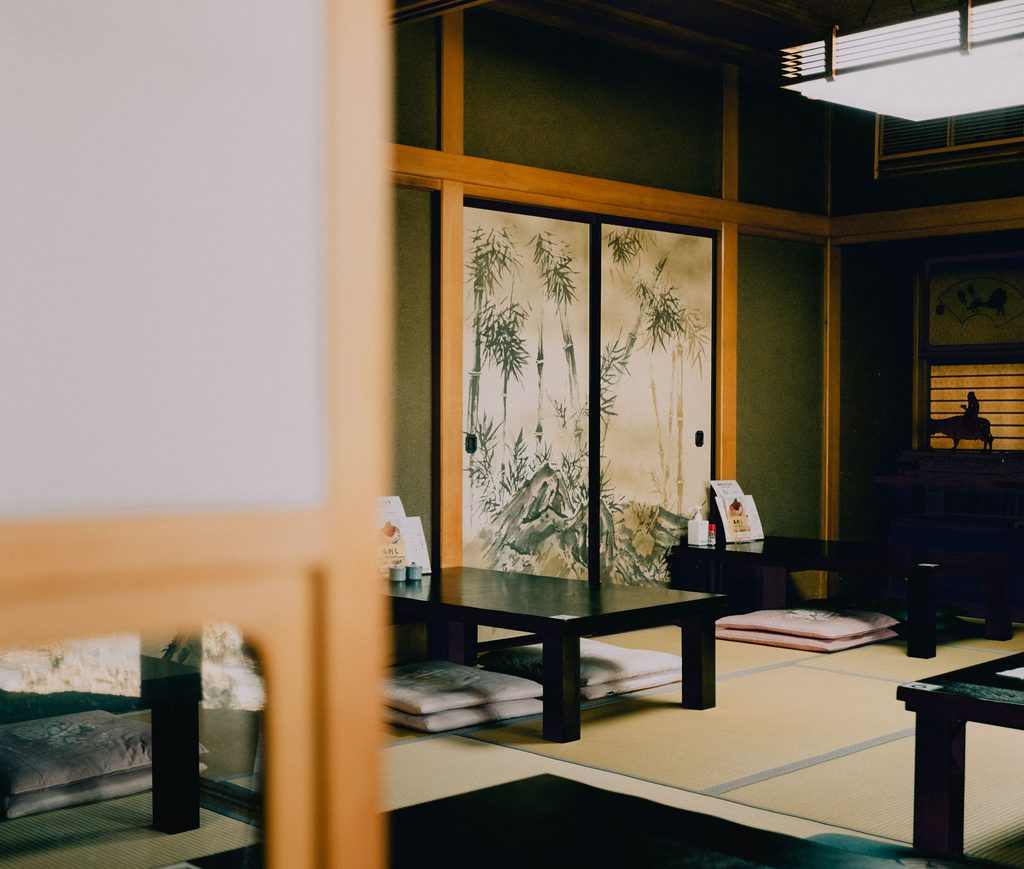
But when a guest wants to try a tatami seat, I always prepare extra zabuton cushions. If it becomes too hard on the day, we can stack the cushions to make the seat higher and more comfortable. I also bring a zaisu, a floor chair with a back, so that guests do not fall backward. I learned these small preparations on the job. If you are not sure about sitting on the floor, ask if the restaurant has table seats when you book. Some local set-meal restaurants have only a few.
The “Raw Egg” Question with Sukiyaki
When we arranged sukiyaki dinners, guests often asked, “Could you cook this raw egg for me?”
In Japan, the traditional way is to dip hot beef into a beaten raw egg. The egg makes the taste softer, and it cools the meat to a nice temperature. This style dates back to the Meiji era, about 150 years ago, when sukiyaki became popular. Many Japanese people feel that something is missing without the egg.
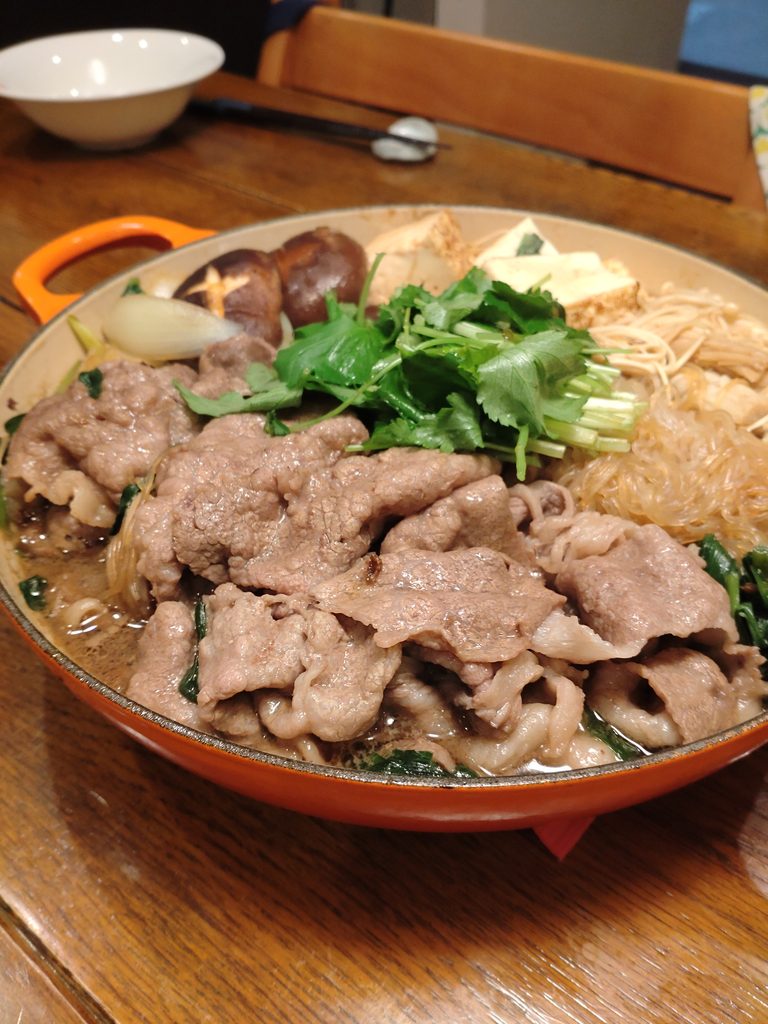
In Japan, most eggs sold in supermarkets are labeled for eating raw. These eggs are washed, cleaned of germs, and checked before they go to the shops, and each pack shows a date for eating them raw. That is why almost no one in Japan worries about this dish. But for guests from countries where people do not eat raw eggs, it is a very natural question.
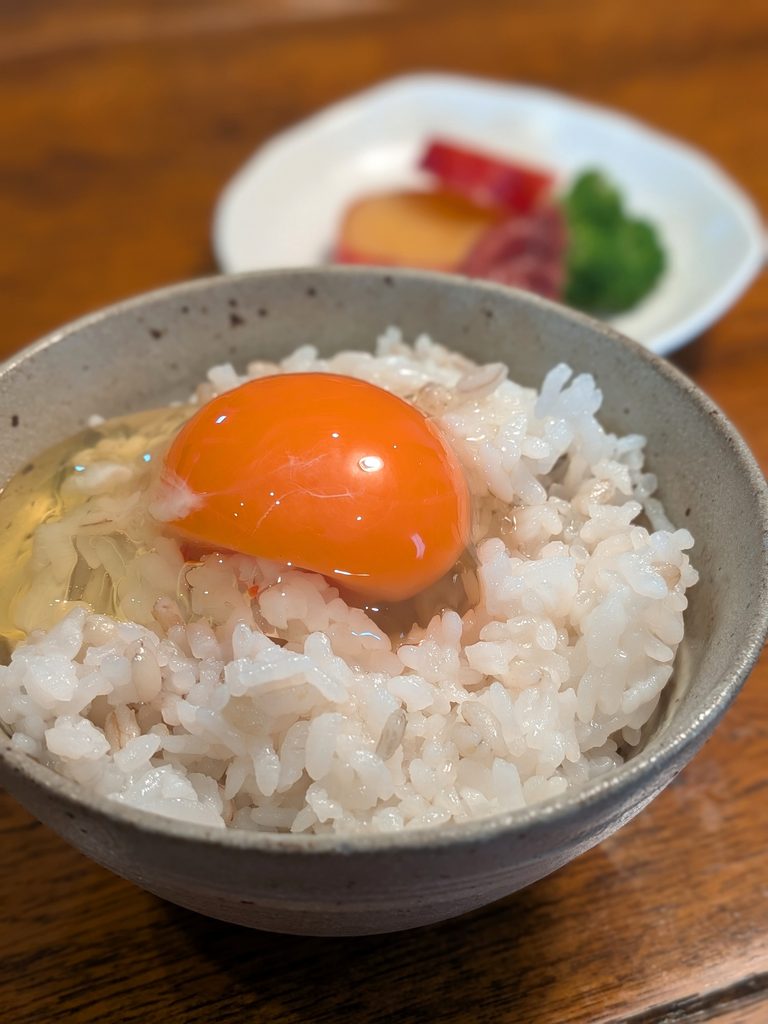
Tamago Kake Gohan (rice with raw egg, or TKG) is also becoming known abroad. People even line up for TKG at airports. Still, many travelers seem to feel uneasy about raw eggs.
Dessert Really Matters
On the other hand, many guests from France wanted dessert at the end of the meal. In a Japanese course meal, we often finish with just some fruit (mizugashi). But without a proper dessert, the meal did not feel finished to them.
One of our guides told me a funny story. A guest from France said with a smile, “In France, the only time you skip dessert is when you were punished as a child.” I have never forgotten it. For them, dessert is an important way to end a meal.
What These Stories Taught Me
Looking back, one thing is the same in all these stories. What is “normal” for Japanese people is not always “normal” for travelers. I also learned that what we offer with a kind heart is not always what guests want.
These small gaps led to questions like “What do Japanese people eat every day?” and “How does Japanese home cooking taste?” On this blog, I’ll share my experiences and answer these everyday questions about Japanese food and culture. I hope they help you enjoy your trip even more.